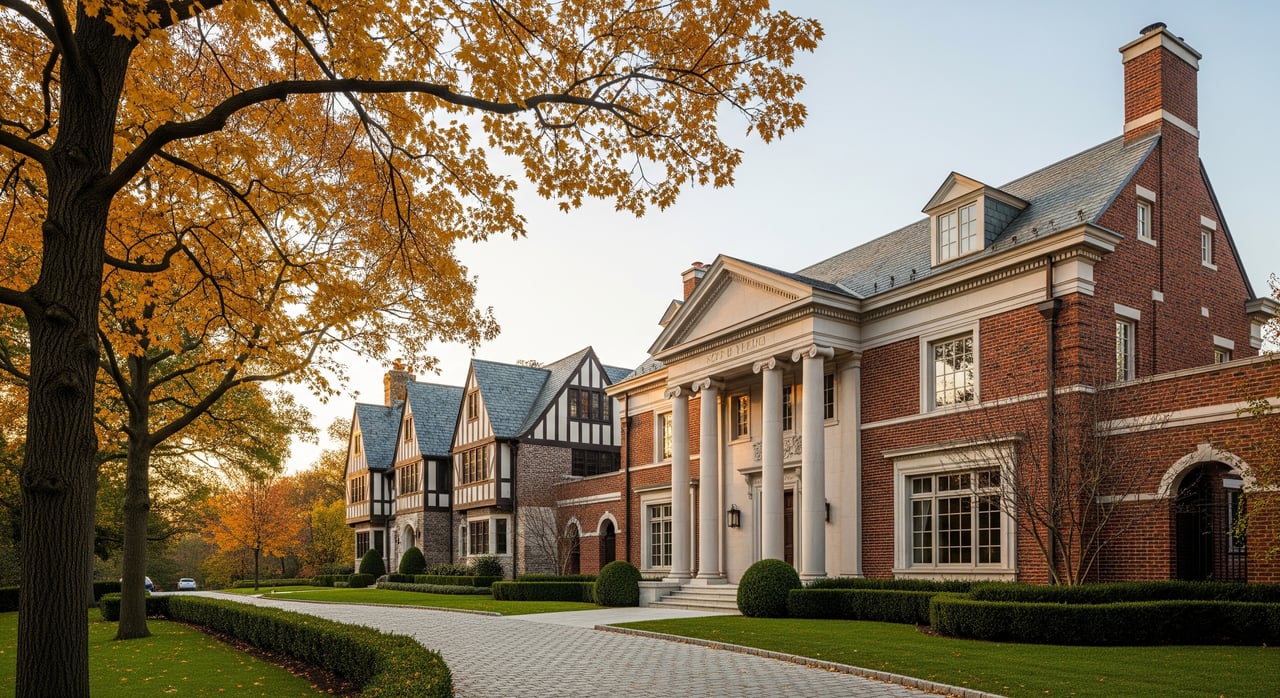
Shopping in Hinsdale and noticing that no two houses look alike? You are not imagining it. Hinsdale blends grand Victorians, classic Colonials, storybook Tudors, warm Craftsman bungalows, mid-century ranches, and modern rebuilds on leafy streets near Metra. In this guide, you will learn how each style typically lives, what maintenance to expect, and smart questions to ask while touring. Let’s dive in.
Why style matters in Hinsdale
Hinsdale, in DuPage County within the Chicago metro, grew in distinct waves. Near downtown and the train, you will find late-19th and early-20th-century homes with rich craftsmanship. On larger or redeveloped lots, you will see mid-century homes and newer infill or full rebuilds.
Style often predicts the interior plan. Older homes tend to have formal rooms and compartmentalized layouts. Newer builds lean into open kitchens, large family rooms, en-suite bedrooms, and attached garages. Understanding these patterns helps you match a house to your lifestyle and budget.
Maintenance also varies by era. Historic homes can offer detailed woodwork and mature lots, yet may need system upgrades. New construction reduces near-term upkeep but can come with higher property taxes or new landscaping to establish. Before you buy or plan exterior changes, check Village of Hinsdale planning and building records, plus any historic-district or landmark notes with the Hinsdale Historical Society.
Hinsdale’s signature home styles
Queen Anne and Late Victorian
- Quick identifiers: Asymmetrical façades, steep and complex roofs, possible turret, wraparound porch, ornate trim, patterned wood shingles, stained glass.
- Layout and flow: Formal parlor and dining rooms, high ceilings, narrow tall windows, separate kitchen often at the back, several smaller bedrooms.
- Lifestyle fit: Ideal if you love character, millwork, and defined rooms. Less ideal if you prefer one-level living or a very open plan.
- Maintenance and updates: Painted wood siding and decorative details need periodic care. Porches require structural checks. Older windows may be drafty. Electrical and plumbing may need modernization. Many updates focus on opening the kitchen to a family room while preserving period details.
- What to inspect first: Foundation settlement, porch supports, roof flashings at complex junctions, electrical capacity and type, and potential hazards such as lead paint or asbestos.
Colonial Revival homes
- Quick identifiers: Symmetrical fronts, brick or clapboard exteriors, gabled roofs, classical columns or pediments.
- Layout and flow: Center-hall plan with formal living and dining flanking the foyer, separate kitchen, bedrooms upstairs, basements for storage and utilities.
- Lifestyle fit: Great if you like traditional room arrangements that can adapt to modern updates. Many owners selectively open walls to improve flow while keeping the center-hall feel.
- Maintenance and updates: For masonry exteriors, watch for tuckpointing needs. Windows may need sash repair or retrofit. Kitchens and baths are common remodels on older examples. Mechanical upgrades are typical over time.
- What to inspect first: Brick and mortar condition, siding or shutter health, insulation levels in walls and attic, and mechanical system ages.
Tudor Revival charm
- Quick identifiers: Steep gables, half-timbering with stucco, brick or stone accents, tall chimneys, leaded or multi-pane windows.
- Layout and flow: Rooms feel cozy and can follow irregular shapes due to rooflines. Plans are often more compartmentalized than modern open layouts.
- Lifestyle fit: Perfect if you want a storybook exterior and intimate interiors. Keep in mind that opening space may require careful structural work.
- Maintenance and updates: Stucco and half-timbering need moisture control. Chimneys and masonry require inspection. Original slate or tile roofs can last, yet replacement is specialized and costly.
- What to inspect first: Roof condition and flashings, chimney integrity, stucco or timber deterioration, and window operation and seals.
Prairie, Craftsman, and Bungalows
- Quick identifiers: Low-pitched roofs with wide eaves, exposed rafters, substantial porches with tapered columns, natural materials.
- Layout and flow: Horizontal feel with a semi-open living and dining connection, built-in cabinetry and woodwork, compact room sizes, often one to one-and-a-half stories.
- Lifestyle fit: Excellent if you value craftsmanship and a manageable footprint with easy yard access. These homes often live comfortably at a human scale.
- Maintenance and updates: Wood trim and porches need regular care. Preserving original windows and built-ins is common. Kitchen expansions or bath additions are typical and should respect proportions.
- What to inspect first: Porch structure, exposed rafter ends, foundation settlement on smaller original foundations, and the condition of wood elements.
Mid-century and Ranch living
- Quick identifiers: Single-story profiles, low-slope roofs, large picture windows, sliding glass doors.
- Layout and flow: Informal, often with open living areas and direct yard access. A strong fit for one-level living.
- Lifestyle fit: Ideal if you want a simpler layout with easy indoor-outdoor flow. Many buyers modernize finishes while keeping the plan.
- Maintenance and updates: Flat or low-slope roofs need attention. Original mechanicals may be at the end of life. Kitchens and baths are frequent updates.
- What to inspect first: Roof membrane and flashing, window performance, insulation and air sealing, and plumbing material longevity.
New construction and infill
- Quick identifiers: Varying façades from traditional to contemporary, larger footprints, and prominent attached garages. Materials can include stone, brick, and composites.
- Layout and flow: Open kitchens and family rooms, multiple en-suites, finished basements, generous storage, mudrooms, and modern mechanicals.
- Lifestyle fit: Great if you want modern systems, larger entertaining spaces, and lower immediate maintenance.
- Maintenance and updates: Early years are lighter on upkeep, though landscaping needs time to mature. Construction quality varies across infill, so verify details and builder standards.
- What to inspect first: Roof and flashing execution, grading and drainage away from the foundation, builder warranties, and compliance with village permit and lot coverage rules.
How style shapes daily living
- Older and formal styles: Expect defined rooms, separate dining and living, and a more traditional flow. Kitchens can be smaller unless remodeled.
- Bungalows and Craftsman: Enjoy built-ins and easy yard access. Rooms can be compact but feel connected.
- Newer builds: Open plans, larger mudrooms and laundry spaces, storage solutions, and multiple en-suites. These can feel spacious rather than cozy.
Think about how you cook, host, work, and relax. If you need sightlines from kitchen to family room, newer construction or a sensitively opened historic plan may serve you best. If you love quiet reading rooms and formal dining, a Victorian or Colonial layout could be perfect.
Touring checklist for Hinsdale buyers
- Request documents upfront: Permit and renovation history, receipts and warranties for major systems, survey, one year of energy bills, and any sewer or septic documentation if applicable.
- Ask smart questions: Roof, HVAC, panel, and water heater ages. Any past water intrusion, foundation work, or pest issues. Typical property tax and utility costs if available. Any preservation restrictions.
- Inspect for style-specific risks:
- Victorian, Queen Anne, Tudor: Complex roofs, flashing details, porch structure, window and trim decay, possible lead or asbestos.
- Brick and Colonial: Mortar condition, chimney and flashing, basement moisture signs.
- Bungalow and Craftsman: Porch integrity, exposed wood, and foundation settlement.
- New builds: Drainage, grading, and workmanship around openings and roofing.
- Energy and comfort checks: Attic insulation levels, window condition or storm windows, HVAC performance, and air sealing.
- Lot and drainage basics: Grading that moves water away from the house, healthy large trees with respect for roots and sewers, sump pump presence and history.
- Basements and water: Ask about prior water events, waterproofing, drain tile, and pump maintenance.
- Garage and parking: Confirm if an attached garage fits your needs. Older homes may have detached or smaller garages.
- Historic and permitting context: If the home is in a locally recognized historic area or has landmark status, exterior changes may need design review. Confirm the process with the village before you plan changes.
Key terms to know
- Asymmetrical façade: A front that is not evenly balanced, common on Queen Anne homes.
- Turret: A small, round tower feature on some Victorians.
- Gable: The triangular part of a wall under a sloped roof.
- Dormer: A windowed projection from a roof that adds headroom and light.
- Bay window: A window unit that projects outward to create a nook inside.
- Wraparound porch: A porch that extends along more than one side of a house.
- Center-hall plan: A hallway from front to back with rooms on both sides, typical in Colonial Revival homes.
- En-suite: A bedroom with a private bathroom.
- Mudroom: A drop zone for shoes, coats, and bags, often near a garage.
- Parlor: A formal front sitting room in older homes.
- Pocket door: A door that slides into the wall to save space.
- Built-in cabinetry: Original shelves or cabinets integrated into the structure.
- Leaded glass: Decorative glass with metal cames, seen in Tudors and Victorians.
- Half-timbering: Exposed wood framing with infill materials on Tudor exteriors.
- Tuckpointing: Repairing mortar joints in brick or stone walls.
Next steps
Your best fit in Hinsdale comes down to how you live today and what you are willing to maintain or update over time. Use style as a guide to layout, budget for likely upgrades by era, and verify permit histories before you write an offer. If you need help comparing options or planning a remodel path, we are here to make the process clear and confident.
Ready to tour homes or talk through your short list? Schedule a conversation with Envision Homes Now Jamie Fudym REALTOR® for buyer representation, relocation guidance, and neighborhood insight tailored to your goals.
FAQs
What are the most common home styles in Hinsdale?
- You will most often see Queen Anne and other Victorians near downtown, Colonial Revival across historic neighborhoods, Tudor Revival on select blocks, plus Craftsman bungalows, mid-century ranches, and a growing number of new-build infill homes.
How do older Hinsdale homes differ from new construction in daily living?
- Older styles offer formal rooms and character but may have smaller kitchens and compartmentalized flow, while new builds typically feature open kitchens, larger family rooms, multiple en-suites, and attached garages.
What maintenance should I plan for with a historic Hinsdale house?
- Expect exterior wood or masonry care, roof and flashing checks, window restoration or storms, and possible upgrades to electrical, plumbing, insulation, and HVAC.
Are there special rules for renovating historic homes in Hinsdale?
- Some properties may fall under local historic or design guidelines, so exterior changes can require review; confirm status and permitting with the Village of Hinsdale before planning work.
What should I ask the seller or listing agent when touring Hinsdale homes?
- Ask about ages of roof, HVAC, panel, and water heater, any past water or foundation issues, permit and renovation history, typical utility and property tax costs, and any preservation restrictions.
How can I evaluate roof complexity on Tudors or Victorians in Hinsdale?
- Look for steep gables, valleys, and dormers that need careful flashing, then verify recent roof work, materials used, and inspection findings during due diligence.
