Looking for a suburb that feels easy to live in day to day? Westmont stands out because it blends a walkable downtown, solid park access, and practical commuting options in one compact village. If you are thinking about moving here, this guide will help you get a clearer feel for Westmont’s neighborhood vibe, recreation options, and everyday convenience so you can decide whether it fits your lifestyle. Let’s dive in.
Westmont at a glance
Westmont is a six-square-mile village in southeastern DuPage County, about 22 miles west of the Chicago Loop. According to village information, the community grew around the railroad station and later developed as a commuter residence, which still shapes how the village functions today.
Westmont has a population of 24,308 and a mixed age profile, according to Census QuickFacts. The village also reports a small-town feel with city-like convenience, which is a useful way to think about the area if you want a suburb that is manageable in size but still connected to dining, services, and transportation.
Housing in Westmont is varied. Village history materials describe a mix of older homes near the center of town, higher-rise apartments on the edges, and newer subdivisions to the north and south.
Westmont neighborhood vibe
Westmont’s overall vibe is practical, established, and community-oriented. It is the kind of place where downtown still matters, the train station helps shape daily routines, and parks are woven into everyday life.
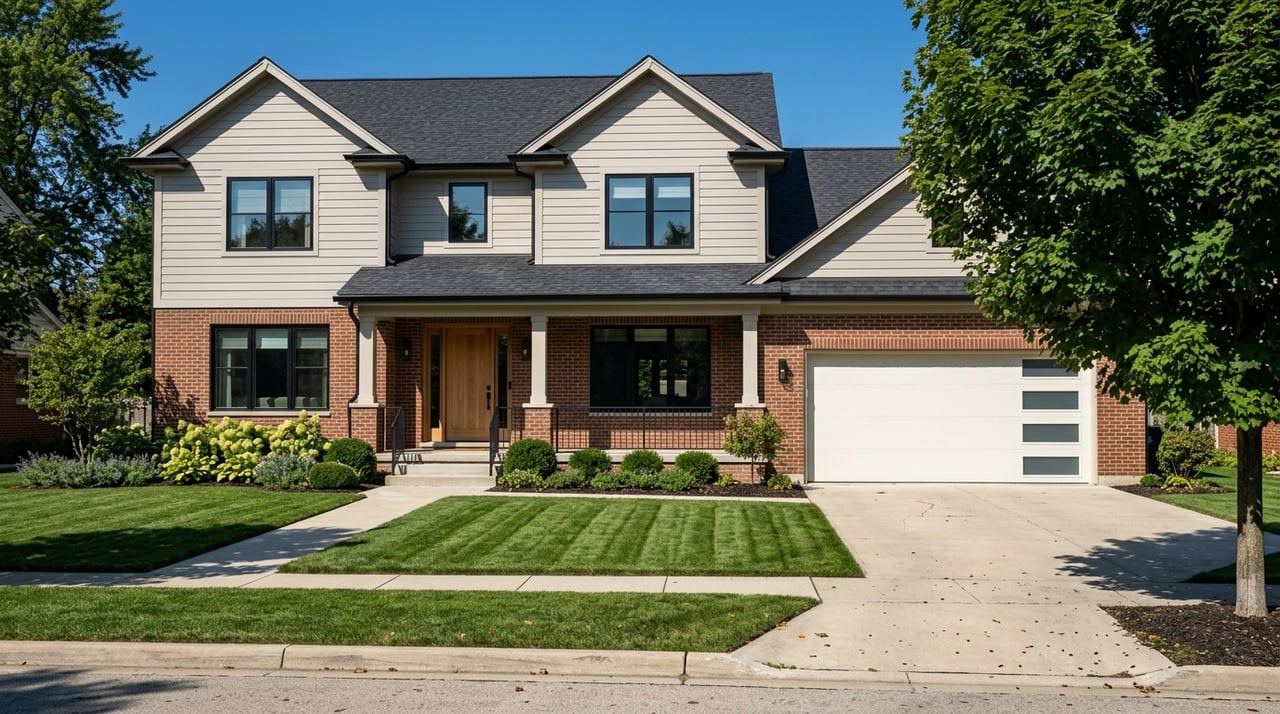
You will also find a mix of housing types that can appeal to different stages of life. The village comprehensive plan says single-family detached homes make up almost 70% of dwelling units, while the downtown planning effort is aimed at supporting row-home and mixed-use forms in the core.
That variety gives Westmont a broader feel than some suburbs of similar size. You can find traditional residential areas, more urban-style housing near downtown, and a market that includes condos, townhomes, and single-family homes.
Downtown Westmont feel
Downtown Westmont is the civic and commercial center of the village. The village describes downtown as the cornerstone of the community, and current rezoning work is focused on preserving the main-street storefront pattern along Cass Avenue while supporting walkability and mixed use.
In everyday terms, that means downtown is not just a pass-through area. It is an active part of village life, with restaurants, events, commuter access, and a streetscape designed to support local businesses and foot traffic.
Westmont also has a downtown incentive program that supports facade updates, signage, accessibility, and renovations for eligible businesses. For residents, that can help keep the downtown area functional and visually maintained over time.
A village with local activity
Westmont leans into local events as part of its identity. Taste of Westmont and Cruisin' Nights both center on Cass Avenue and feature local restaurants, food vendors, music, and cars.
These kinds of events matter when you are evaluating a community. They give you a sense of whether the downtown area is just there for errands or whether it also creates regular reasons for people to gather.
Parks in Westmont
If outdoor access matters to you, Westmont offers a strong park system for its size. The Westmont Park District maintains more than 150 acres of parkland and more than 20 parks and open spaces, along with broader recreation assets like the Community Center, Fitness Club, Twin Lakes Golf Club, a spray park, and a skate park.
That setup supports more than just occasional weekend use. It gives you multiple ways to stay active year-round, whether you are looking for walking paths, sports facilities, open space, or places to bring kids for play.
Ty Warner Park
Ty Warner Park is one of the village’s major recreation anchors. This 36-acre community park includes a spray park, disc golf, a sled hill, sports fields, and a walking path.
For many buyers, this is the kind of park that checks several boxes at once. It works for casual walks, active recreation, and seasonal use, which can make it a regular part of your weekly routine rather than a once-in-a-while destination.
Diane Main Park
Diane Main Park is another key community park at 17 acres. It includes the All Wheels Park along with tennis, softball, football, soccer, fishing, and a walking path.
That mix makes it one of the more versatile park spaces in Westmont. If you want options for both active recreation and simple outdoor time, this park offers a wide range of uses in one location.
More parks to know
Several other parks add to Westmont’s everyday livability. Veteran’s Memorial Park has lighted walking paths and ball fields, Robert Bernas Park includes a fishing pier, boardwalk, and walking path, and Smith Woods offers an 18-acre community park with a walking trail and sand volleyball.
When you look at these together, a pattern becomes clear. Westmont’s park system is not centered on just one flagship space. Instead, it offers multiple useful recreation points throughout the village.
Everyday conveniences in Westmont
Convenience is one of Westmont’s biggest strengths. The village says it has more than 100 restaurants, which is notable for a community of its size.
That gives you a broad dining base for everyday takeout, casual nights out, and local event weekends. Village event pages also specifically reference downtown spots such as NEAT Kitchen + Bar and Dolce Restaurant, which reinforces downtown’s role as a local dining hub.
Westmont’s physical layout also helps with day-to-day movement. The village maintains 64 miles of road and 104 miles of sidewalks, which supports neighborhood circulation and access to downtown amenities.
Parking and getting around
Parking is a real quality-of-life factor, especially in a downtown-centered suburb. Westmont manages several public parking lots, three commuter lots near the BNSF tracks, and metered parking north of the tracks on Burlington Avenue.
Many public lots also offer free parking at certain times. For residents, that adds a practical layer of convenience when you are running errands, meeting friends downtown, or using the train station.
Commuting from Westmont
Westmont has strong commuter appeal because of both rail and highway access. The Metra Westmont station is located at 18 West Quincy in downtown Westmont on the BNSF line, and the station is accessible, in fare zone 3, and has 512 parking spaces.
The BNSF line runs between Chicago Union Station and Aurora, which helps support both city commuting and movement across the western suburbs. The station also connects to Pace Route 715.
If you drive, Westmont’s regional access is another plus. Village history materials note the East-West Tollway north of town, I-55 to the south, I-294 to the east, and I-355 to the west.
Westmont housing snapshot
If you are considering a move, it helps to pair lifestyle with a realistic housing picture. Current market data suggests a typical Westmont home falls in the high-$300,000s to low-$400,000s, with some higher-end inventory above that range.
Recent reports show a median sale price of $442,000, a median listing price of $389,450, and a Census median owner-occupied value of $379,100. Taken together, those figures suggest a market with a fairly broad middle range and options across multiple property types.
Homes have also been moving at a relatively steady pace. Recent reporting indicates homes receive about four offers on average and sell in around 28 days, while another source reports a median of 26 days on market and describes Westmont as a seller’s market.
What types of homes you may find
Westmont’s inventory includes single-family homes, townhouses, and condos. There are homes priced under $400,000, but there is also a higher-end segment, including listings above $1 million.
That range can be helpful if you want flexibility in your search. Whether you are looking for a lower-maintenance option near downtown or a more traditional single-family home, Westmont offers more variety than buyers sometimes expect.
Who Westmont may appeal to
Westmont can make sense for several kinds of buyers. If you want commuter access, a defined downtown, and a solid park system, it checks those boxes in a relatively compact suburb.
It may also appeal to buyers who want housing variety. The mix of older central homes, apartments on the edges, and newer subdivisions gives you different ways to approach budget, space, and lifestyle.
For sellers, Westmont’s combination of location, transportation access, and everyday convenience can also be part of a strong marketing story. Buyers are often looking for the full package, and Westmont offers a practical balance of recreation, access, and local activity.
If you are weighing whether Westmont fits your goals, the next step is to look beyond headlines and compare neighborhoods, home styles, and price points in real terms. When you are ready, Envision Homes Now Jamie Fudym REALTOR® can help you explore Westmont with local insight, buyer guidance, and a clear plan for your next move.
FAQs
What is the overall lifestyle like in Westmont, IL?
- Westmont offers a small-town feel with city-like convenience, anchored by a downtown district, a broad park system, dining options, and commuter access.
What parks are worth knowing in Westmont, IL?
- Key parks include Ty Warner Park, Diane Main Park, Veteran’s Memorial Park, Robert Bernas Park, and Smith Woods, each offering different mixes of walking paths, sports areas, and recreation features.
What makes downtown Westmont, IL important to residents?
- Downtown Westmont is the village’s civic and commercial center, with restaurants, events, walkability goals, commuter access, and a main-street storefront pattern along Cass Avenue.
How do people commute from Westmont, IL?
- Many residents use the Metra Westmont station on the BNSF line, while drivers also benefit from access to the East-West Tollway, I-55, I-294, and I-355.
What is the housing market like in Westmont, IL?
- Westmont offers a mix of single-family homes, townhomes, and condos, with typical home values and prices generally landing in the high-$300,000s to low-$400,000s, plus some higher-end inventory.
Is Westmont, IL convenient for daily living?
- Yes. Westmont has more than 100 restaurants, multiple public parking options, commuter lots, and an extensive sidewalk and road network that supports day-to-day convenience.
