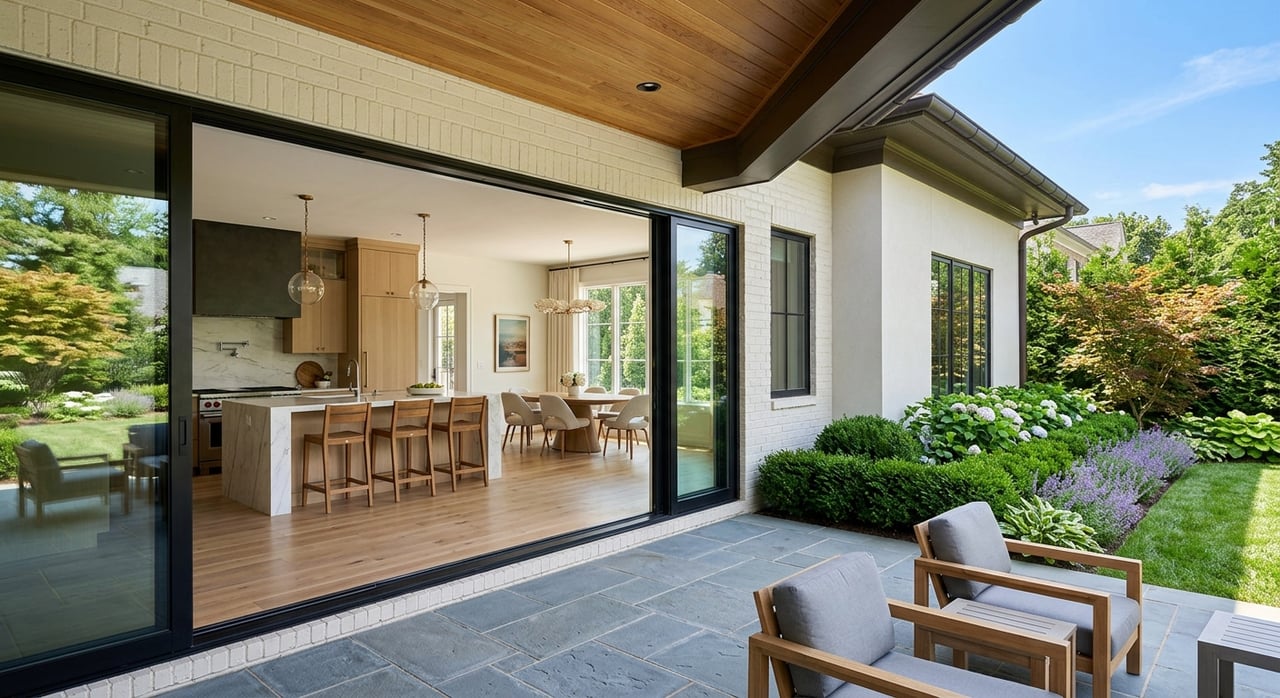
Thinking about moving but not ready to leave Hinsdale? You are not alone. Many homeowners reach a point where the house needs to change, but the commute, daily routines, and familiar village feel still fit. If that sounds like you, this guide will help you think through timing, budgeting, school boundary checks, and the steps that can make a local move smoother. Let’s dive in.
Why Many Owners Stay in Hinsdale
Hinsdale has been an established suburban village since 1873 and sits about 20 miles west of downtown Chicago. The Village of Hinsdale welcome information describes it as a place known for natural beauty, historic charm, and suburban living. That combination helps explain why many homeowners would rather move within Hinsdale than start over somewhere else.
A same-market move often comes from a life change, not a location change. You may need more space, less maintenance, a different layout, or easier access to your usual train station. When the community still works for you, the real question becomes how to make the next move strategically.
Hinsdale Market Conditions Matter
In a high-value market, the order of your move can affect your finances more than you might expect. Redfin reported a March 2026 median sale price of $1.727 million in Hinsdale, with a median of 54 days on market. Zillow reported an average home value of $1,244,308 and 32 listings as of March 31, 2026.
Those numbers point to a market where equity may be significant, but inventory is still limited. That means your current home sale, your carrying costs, and the timing of your next purchase all deserve careful planning. Even if you are staying in the same village, this is not usually a move to make on autopilot.
Start With Your Real Goal
Before you look at listings or prep your home for sale, get specific about what is changing in your life. A clear goal helps you avoid moving for the wrong reasons or trading one problem for another. It also makes your budget and home search more focused.
Ask yourself questions like these:
- Do you need more bedrooms or a better work-from-home setup?
- Would a smaller home with less upkeep fit your next stage better?
- Are you trying to stay close to a specific Metra station?
- Do you want a different lot size, layout, or home style?
- Is the move tied to school attendance for the next few years?
When you define the reason behind the move, it becomes easier to decide what is essential and what is just nice to have.
Check School Boundaries by Address
If school planning is part of your move, verify the address instead of relying on assumptions. In Hinsdale, attendance boundaries are address-specific. District 181 serves Hinsdale and Clarendon Hills and parts of Burr Ridge, Oak Brook, and Willowbrook, and District 86 uses official attendance and boundary maps based on DuPage and Cook county data.
Boundary details can be more nuanced than people expect. District 181 notes that new construction, split lots, or consolidated lots can alter a boundary line, and it urges residents to verify residency or school assignment. District 86 also states that final attendance decisions are based on board policy.
That means two homes that seem close together may not always align the way you expect. If your move is tied to the next stage of your household needs, confirm the exact address early in the process.
Keep Commute Access in the Plan
For many local movers, commute convenience matters just as much as square footage. Hinsdale has three BNSF Line stations listed by Metra: Hinsdale, Highlands, and West Hinsdale. All three are in fare zone 3, and parking is managed by the Village of Hinsdale.
That can make station access a major decision point when you are comparing homes. If you are trying to preserve a familiar routine while changing house size or maintenance level, a few minutes of location difference can affect your day more than an extra room might. A same-market move works best when it supports both your home life and your weekly schedule.
Sell First or Buy First?
This is usually the biggest question in a local move. The Consumer Financial Protection Bureau says that if you want to move, you normally try to sell your home first before buying another one. It also notes that homeownership includes ongoing costs such as repairs, property taxes, insurance, and HOA dues where applicable.
For many Hinsdale homeowners, that makes sell first the cleaner starting point. It can reduce the risk of overlapping payments and help you set a more confident purchase budget based on real sale proceeds.
When Selling First Makes Sense
Selling first may be the better fit if you want to:
- Reduce financial overlap
- Know your net proceeds before buying
- Avoid carrying two homes at once
- Make cleaner decisions on price range
In a market where home values are high, even a short overlap can create meaningful carrying costs. Selling first often creates more clarity and less pressure.
When Buying First May Be Necessary
Sometimes you need to secure the next house before letting go of the current one. In that case, bridge financing is the main concept to understand. Fannie Mae defines a bridge or swing loan as a short-term loan secured by your current principal residence that can provide funds to close on a new home before the present home sells.
Fannie Mae also says the lender must document your ability to carry the payments on the new home, current home, bridge loan, and other obligations. In simple terms, buying first is not just about finding the right property. It is about whether your household can comfortably handle the temporary cash flow.
Prepare Before Your Listing Goes Live
If you plan to sell first, strong preparation can help you move faster once you are ready. Fannie Mae recommends getting the home ready, reviewing local market conditions, keeping the home neutral and clutter-free, and staging furniture to showcase the space. It also notes that buyers may tour with little notice.
That means the work starts before the first showing. A well-prepared listing can give you more flexibility when you are trying to line up two transactions.
Focus on These Pre-Listing Steps
- Complete needed repairs
- Tackle cosmetic updates where they matter most
- Declutter and simplify each room
- Keep decor neutral and easy to read
- Arrange furniture to highlight space and flow
- Be ready for showings on short notice
Fannie Mae also notes that a marketing plan may include MLS exposure, open houses, virtual tours, and flyers. The main takeaway is simple: preparation supports momentum, and momentum matters when you are trying to coordinate your next move.
Compare Offers Beyond Price
Once your home is on the market, the highest number is not always the best path forward. Fannie Mae notes that offers can differ not only in price, but also in closing speed, inspection period, and contingencies. Those terms can be especially important when you are trying to buy your next home within a specific time frame.
A slightly lower offer with a better timeline may fit your move better than a higher offer with more uncertainty. The right strategy depends on your next step, your housing plan between closings, and how much flexibility you need. In a same-market move, timing terms are often just as important as sale price.
Know What Happens After You Go Under Contract
The purchase side can also get busy quickly. The CFPB says buyers should expect more document requests, a home inspection, and shopping for homeowner's and title insurance before closing. Those steps can move fast, especially if you are trying to sync one closing with another.
This is where good planning can lower stress. If you know your documents are organized and your timeline is realistic, you are less likely to feel rushed when the next home comes together. A local move may seem simpler because you know the area, but the transaction details still require close attention.
A Simple Hinsdale Moving Framework
If you are unsure where to begin, use this practical sequence:
- Define why you are moving and what must change.
- Review your current home value and likely net proceeds.
- Set a realistic budget for the next purchase.
- Verify any school attendance questions by exact address.
- Decide whether sell-first or buy-first fits your finances.
- Prepare your current home before listing.
- Search with commute and lifestyle priorities in mind.
- Compare offers based on price and timing.
- Stay organized for inspections, documents, and closing steps.
This kind of move works best when you treat it like a full strategy, not just a home search.
Make Your Next Hinsdale Move Strategic
Moving within Hinsdale can be a smart way to match your next home to your next chapter without giving up the community you already know. The key is to plan around the factors that matter most locally: school boundary verification, station access, limited inventory, and the financial sequence between selling and buying.
If you are thinking about your next move within Hinsdale, a clear plan can help you protect your budget, reduce stress, and make better decisions at every step. When you are ready to talk through timing, pricing, or what a move could look like from your current home, connect with Envision Homes Now Jamie Fudym REALTOR®.
FAQs
How do I verify school boundaries for a Hinsdale home?
- Check the exact property address against District 181 and District 86 boundary maps, because attendance areas are address-specific and may be affected by factors like lot splits or board policy decisions.
Should I sell first or buy first for a move within Hinsdale?
- For many homeowners, selling first is the normal starting point because it reduces overlap risk and clarifies your budget, while buying first may involve bridge financing if you can carry multiple payments temporarily.
What commuter options should I consider for a Hinsdale move?
- Metra lists Hinsdale, Highlands, and West Hinsdale on the BNSF Line, all in fare zone 3, so station proximity may be an important factor when comparing homes.
What should I do before listing my Hinsdale home?
- Prepare the home with repairs, cosmetic touch-ups, decluttering, neutral presentation, and staging so you are ready when marketing and showings begin.
What offer terms matter when selling a Hinsdale home?
- In addition to price, pay attention to closing speed, inspection period, and contingencies because those terms can affect how smoothly your sale lines up with your next purchase.
What happens after I go under contract on my next Hinsdale home?
- Expect additional document requests, a home inspection, and insurance-related steps before closing, so it helps to stay organized and keep your timeline realistic.
