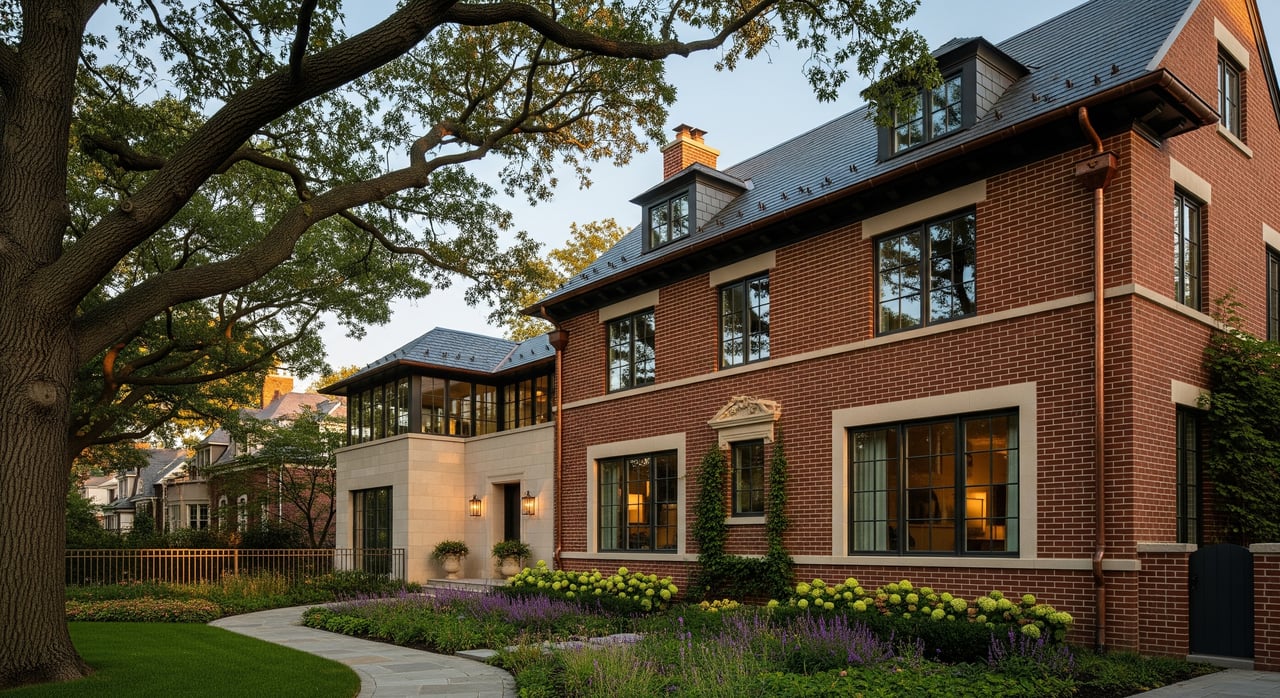
Thinking about replacing windows, redoing your porch, or adding a new fence on your historic Naperville home? Before you pick materials or call a contractor, you likely need a Certificate of Appropriateness, also called a COA. It is the city’s approval that your exterior work fits the character of the Historic District. Getting this right saves you time, money, and rework.
In this guide, you’ll learn when a COA is required, how the review works, what to submit, and how to plan a smooth timeline. You will also see common pitfalls and practical tips so you can move forward with confidence. Let’s dive in.
What a COA is and when you need one
A COA is the local approval for exterior changes on properties within Naperville’s Historic District or on locally designated landmarks. It covers work visible from the street or neighboring properties, and it ensures changes are compatible with the district’s character.
You likely need a COA if you plan to:
- Build an addition or new structure that changes massing, setbacks, or façade design.
- Demolish a building or remove character-defining elements like porches, turrets, or chimneys.
- Make major exterior changes such as altering rooflines, adding dormers, or modifying windows, doors, siding, or masonry.
- Replace visible materials in a way that changes appearance, such as switching from wood to vinyl windows.
- Add visible features like decks, porches, fences, driveways or curb cuts, and exterior stairs.
- Install signage, awnings, exterior lighting, or visible mechanical equipment.
- Change site features that affect the setting, including tree removal in public view or retaining walls.
Routine maintenance using like-for-like materials usually does not require a COA. Once you change material, profile, or design, approval is typically required.
Step-by-step COA process in Naperville
While details can vary by project, most homeowners follow a similar path.
1) Schedule a pre-application conversation
Meet with city preservation staff or have a preliminary conversation before you submit. You will confirm what work needs approval, identify likely issues, and review design guidelines. This meeting sets expectations and can prevent rework.
- Typical scheduling window: 1 to 4 weeks
- Meeting length: about 30 to 60 minutes
2) Submit your COA application
Prepare the application form, fee, and required documentation. Staff will check completeness. If items are missing, your application may be held or returned until complete.
- Intake review: about 1 to 2 weeks
3) Staff or Commission review
Some minor projects can be approved administratively by staff. Larger, complex, or more visible projects go to the Historic Preservation Commission (HPC) for a public meeting and vote. The thresholds for staff versus commission review depend on the city’s code and the scope of your work.
4) Public notice and agenda placement
If your project goes to the HPC, nearby owners and the public are typically notified. Your application is placed on a meeting agenda. Commissions commonly meet monthly, so timing often depends on submission deadlines.
5) Commission hearing and decision
You or your representative present the proposal. Staff provides a report, public comment may be taken, and commissioners ask questions. The HPC may approve, approve with conditions, continue for revisions, or deny.
6) COA document and conditions
If approved, you receive a written COA. It may specify materials, profiles, colors, or methods. You must follow these conditions during construction. Field substitutions usually need further approval.
7) Appeals or reconsideration
Municipal codes often provide an appeal process and timeline. If your project is continued or denied, you may revise and resubmit.
8) Coordinate permits and build
A COA is typically required before the building department issues exterior building permits. Allow additional time for permit plan review. Contractors must build exactly to the COA; unapproved changes can trigger stop-work orders.
Typical timeline expectations
- Staff COA decisions: often 1 to 4 weeks from a complete submission
- HPC review: plan for at least 4 to 8 weeks from a complete submission to a decision, depending on meeting schedules
- Appeals or revisions: add 2 to 8 weeks or more
- Building permits after COA: several more weeks, depending on complexity
Bold takeaway: Build a buffer of at least 8 to 12 weeks for most exterior projects, and plan for 3 months or more for additions and demolition.
What reviewers look for
Reviewers rely on local guidelines and widely used preservation standards. Common evaluation criteria include:
- Preserve character-defining features. Porches, cornices, window patterns, siding profiles, and masonry details should be retained and repaired when feasible.
- Respect materials and workmanship. When replacement is necessary, match scale, profile, texture, and color.
- Maintain façade rhythm. Keep the size, shape, and spacing of windows and doors consistent with the historic pattern.
- Design compatible additions. Additions should be visually subordinate, often set back from front façades and lower in perceived height.
- Consider rooflines. Changes that alter the silhouette are carefully reviewed.
- Show compatibility and differentiation. New work should blend with the historic building, yet be identifiable on close inspection.
- Fit the streetscape. Adjust setbacks, lot coverage, fence types, and driveway placements to the historic context.
- Align signage and lighting. Size, placement, material, and illumination should be compatible with the district.
Common missteps that trigger pushback include stock vinyl window replacements that alter sightlines, covering original masonry with synthetic siding, removing or enclosing historic porches, overly large two-story additions, and bold materials or colors that contrast sharply with the district’s palette.
Documents you will need
A complete, clear submittal speeds review and reduces questions. Most applications benefit from the following:
- Completed COA application form and filing fee
- Site or plot plan showing property lines, setbacks, existing and proposed features
- Existing conditions photos, including all elevations visible from the street and detail shots of character-defining elements
- Scaled proposed elevation drawings with materials labeled
- Floor plans and sections for any change to massing or roofline
- Material samples or cut sheets, including exact product names, colors, and profiles
- Paint and finish color chips
- Renderings or perspectives for new construction or large additions
- Structural or engineering reports if demolition or structural change is proposed
- Demolition justification, if applicable, including condition surveys and rehab cost analysis
- Landscaping and hardscape plans for visible fences, walls, and paving
- Contractor information and insurance or licensing, if requested
Presentation tips that help:
- Provide before-and-after visuals, including overlay comparisons where possible.
- Label drawings clearly, keep scales consistent, and include dimensions.
- If proposing modern substitute materials, include direct comparisons to show matching profiles, sightlines, and textures.
- Add a brief cover letter summarizing the scope, your rationale, and how your design meets standards.
Coordinate permits and zoning
Sequence matters. A COA usually comes before building permits. After your COA is issued, confirm any other approvals you may need:
- Building permits for structural work, additions, or roofing
- Zoning approvals if setbacks, lot coverage, or use change
- Site work permits, including stormwater and tree protection requirements
- Right-of-way permits for sidewalk or curb work
- Preservation tax incentives or grants, if you plan to pursue them, which often require additional documentation and standards
Coordinate early with utility providers and your contractor. Plan and screen mechanical equipment locations at the design stage to avoid rework later.
Avoid delays: common pitfalls
These issues often slow or derail approvals:
- Incomplete submissions. Missing drawings or material specs stall intake. Use a checklist and confirm in a pre-application meeting.
- Inappropriate materials. Stock modern components that change profiles or textures lead to denials or conditions. Show compatible alternatives or prove close visual match.
- Oversized additions. Dominant volumes are frequently rejected. Show subordinate massing with setbacks and reduced height.
- Permit confusion. A COA is not a building permit. Confirm every required permit and the sequence.
- Last-minute substitutions. Field changes without approval can cause stop-work orders. Require written approvals for substitutions.
- Demolition without approval. This can lead to fines or required reconstruction. Do not remove historic elements until a COA is issued.
Plan your design for success
A proactive approach saves time:
- Start early. Begin COA conversations at the concept stage. For most exterior projects, plan 2 to 3 months. Larger projects often need 4 to 6 months or more.
- Use the pre-application meeting. Confirm expectations and likely concerns upfront.
- Hire preservation-aware professionals. Architects and contractors familiar with historic districts help you avoid costly missteps.
- Document conditions thoroughly. High-quality photos and measured drawings help reviewers understand what you will preserve.
- Present options and rationale. When proposing modern substitutes, show why they are necessary and how they match historic appearance.
- Expect conditions. Many approvals include conditions specifying materials or details. Build that flexibility into your plan and budget.
- Keep your contractor aligned. Share the COA and require approval for any field change.
After approval: compliance and changes
Your COA will state the decision and any conditions. It becomes part of the property record. If circumstances change, contact staff before making substitutions. Non-compliance can result in stop-work orders, fines, or corrective work.
Typical outcomes include approval, approval with conditions, a continuation for revisions, or denial. If you disagree, you may pursue appeal options within the set window.
Quick homeowner checklist
Use this to prep your application and timeline:
- Schedule a pre-application discussion with preservation staff
- Complete the COA form and fee
- Prepare a site plan and scaled elevations, existing and proposed
- Photograph all street-facing elevations and defining details
- Gather product cut sheets, material samples, and color chips
- Include floor plans and sections for additions or roof changes
- Provide structural reports for demolition or major alterations
- Add a landscape and hardscape plan for visible site work
- Write a cover letter summarizing scope and compatibility
- Confirm building, zoning, right-of-way, and tree protection permits
- Build at least 8 to 12 weeks of buffer time into your schedule
Timeline at a glance
- Pre-application scheduling: 1 to 4 weeks, 30 to 60 minute meeting
- Application intake and completeness review: 1 to 2 weeks
- Staff approvals for minor work: often 1 to 4 weeks from complete submission
- Historic Preservation Commission review: commonly 4 to 8 weeks from complete submission to decision, depending on meeting schedules
- Revisions or appeals, if needed: add 2 to 8 weeks or more
- Building permits after COA: allow several more weeks, depending on scope
Ready to move forward?
If you are buying, selling, or planning exterior work in Naperville’s Historic District, local guidance helps you avoid delays and protect your home’s value. Let’s talk through your timeline, scope, and next steps so you can plan with confidence. Envision Homes Now can help you align your project with your real estate goals. Schedule a free consultation.
FAQs
Do I need a COA for window replacement in Naperville’s Historic District?
- If replacement changes the appearance, material, profile, or design, a COA is typically required. Like-for-like repairs often do not need a COA.
How long does an HPC review usually take in Naperville?
- From a complete submission, plan for 4 to 8 weeks to reach a commission decision, plus additional time for permits after approval.
What documents should I submit for a Naperville COA?
- Include a completed form, site plan, existing photos, scaled elevations, floor plans or sections for additions, material cut sheets, color chips, and any required structural or landscape plans.
Can staff approve minor exterior changes without a hearing?
- Yes, some minor projects can be approved administratively by staff. Larger or more visible projects are typically reviewed by the Historic Preservation Commission.
Do I need a COA before getting a building permit in Naperville?
- Yes, a COA is usually required before the city issues exterior building permits. Do not assume permits will issue without an approved COA.
What happens if my contractor makes field substitutions?
- Unapproved substitutions can trigger stop-work orders and rework. Keep the contractor aligned with your COA and seek approval for any changes in writing.
